FIELD NOTE 03 · TIRTA, SOURCE, ACTION
Tirta is not a symbol for holy water. It is a way power is carried.
In the RAG’s account of sekala and niskala, tirta is material water bearing immaterial force. Its source, the person who prepares it, the prayers used and the purpose for which it is requested all matter. “Holy water” is therefore a useful translation, but an incomplete explanation.
NOT EVERY WATER IS THE SAME WATER
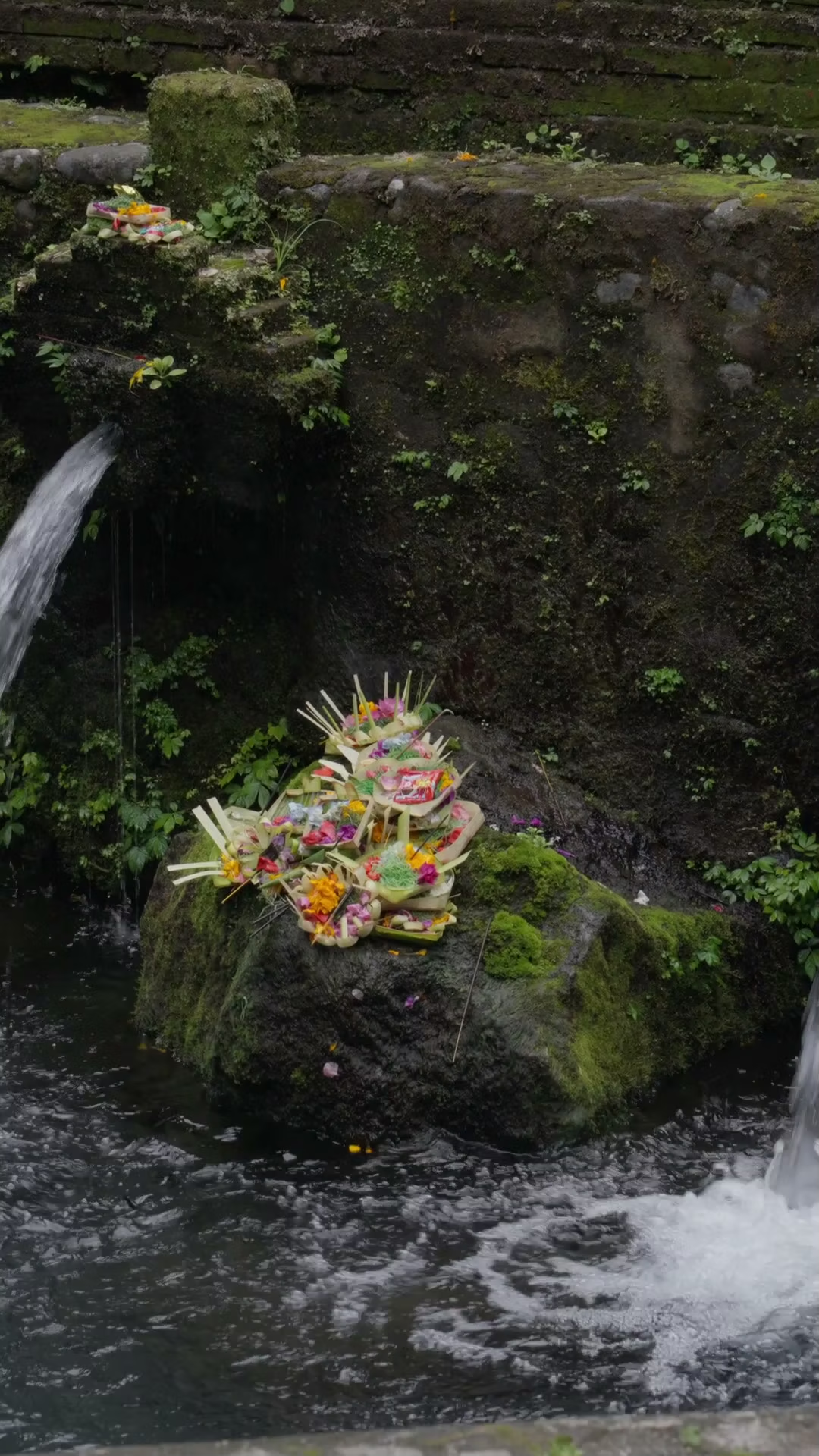
Balinese distinguishes ordinary water from water requested and handled as tirta. Some comes from a temple or spring; some is prepared by a priest; some is appropriate to a particular ceremony. Respectful handling is not decoration around its meaning—it is part of what allows the relationship to hold.
Sekala carries niskala
Eiseman describes tirta as a visible container of invisible power: it cleanses, strengthens and connects the recipient with the agency of a shrine or deity. Potency is not a simple ranking. Water may be chosen because a particular source, temple or ritual purpose makes it appropriate. This is why people nunas—humbly request—tirta rather than merely collect it.
The sequence is learned through the body
Sprinkling, receiving water in the palms, drinking, placing a flower and avoiding the space in front of those still praying are learned actions. Exact sequences vary. At Bakbakan, Gianyar, guests follow the mangku rather than imitate a generic internet ritual; instruction is itself part of entering the relationship correctly.
Purnama and Mengening are two distinct experiences
Purnama is an important calendrical occasion, but that does not mean every blessing is a visit to a sacred spring. Pura Mengening is a separate temple in Tampaksiring whose springs and spouts are used for purification. The full-moon blessing at Pura Dalem Ageng Bakbakan and the Mengening purification are presented as two related but distinct experiences.
THE LOCAL PROGRAMME KEEPS THEM DISTINCT
At Bakbakan, the temple blessing belongs to the full-moon evening, while the visit to Pura Mengening is introduced separately as a special purification event.
FROM THE BALI RAG LIBRARY
- Fred B. Eiseman Jr., Bali: Sekala and Niskala, Vol. I, “Holy Water: Substance and Symbol”
- Thomas A. Reuter, Custodians of the Sacred Mountains, ritual-process chapters
- Gianyar Regency Tourism Office, Mengening Temple ↗